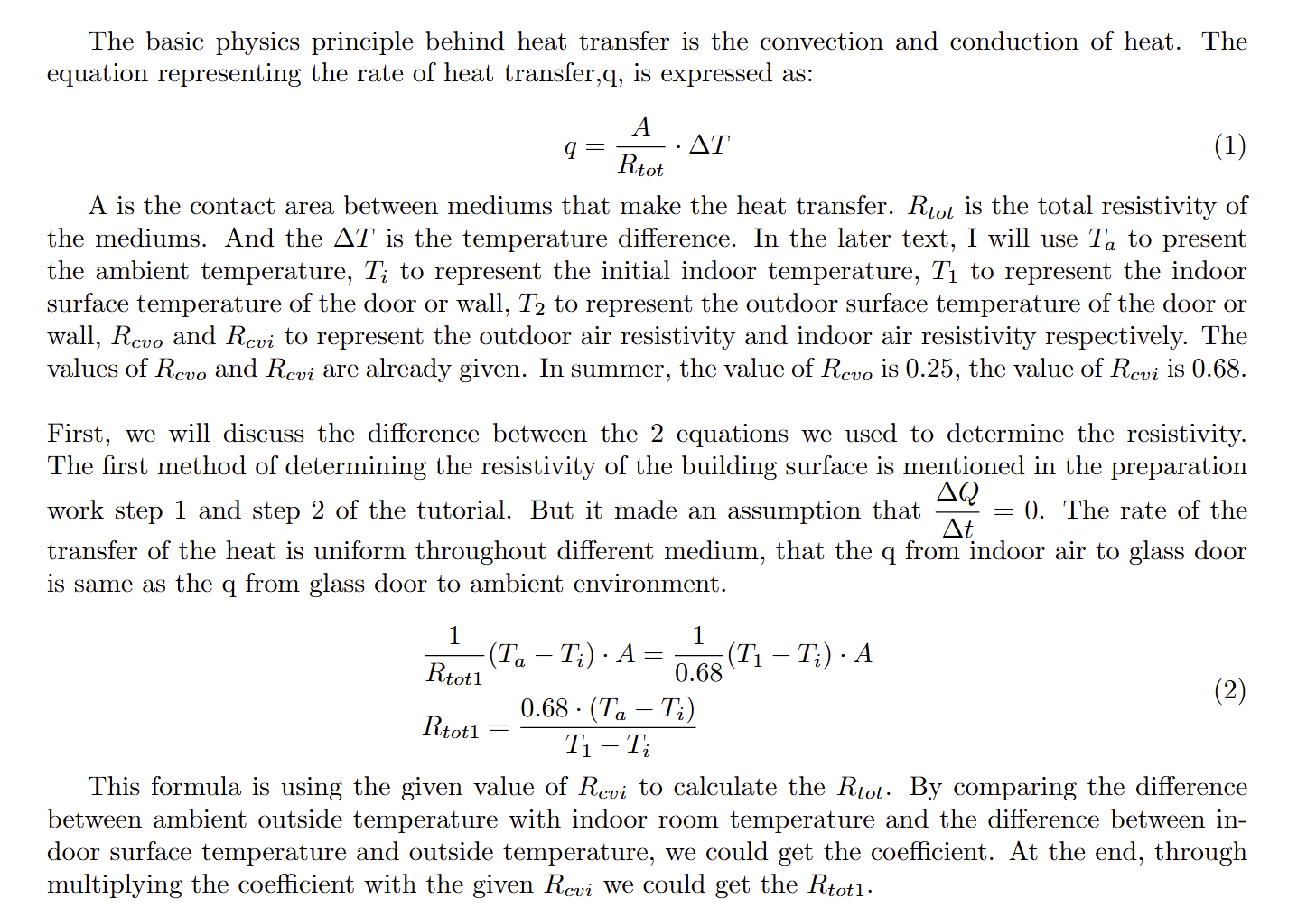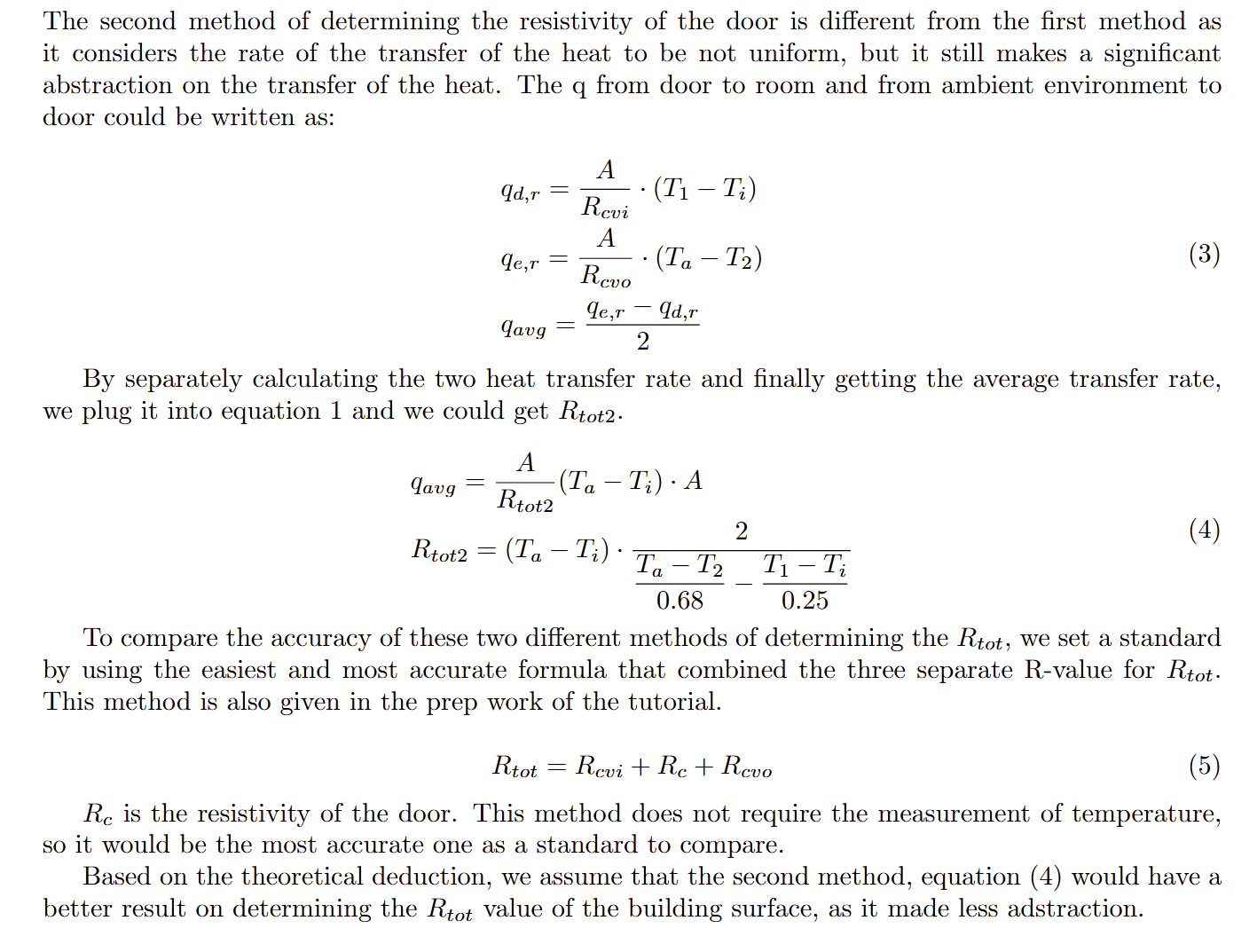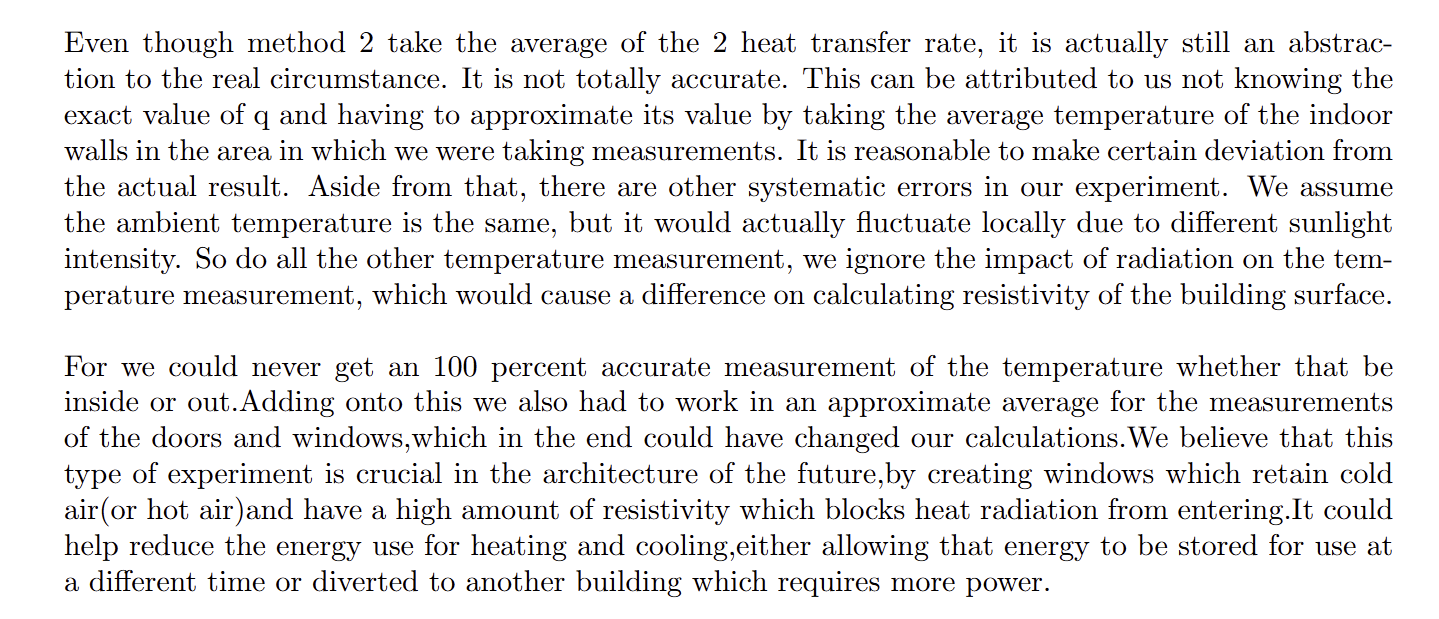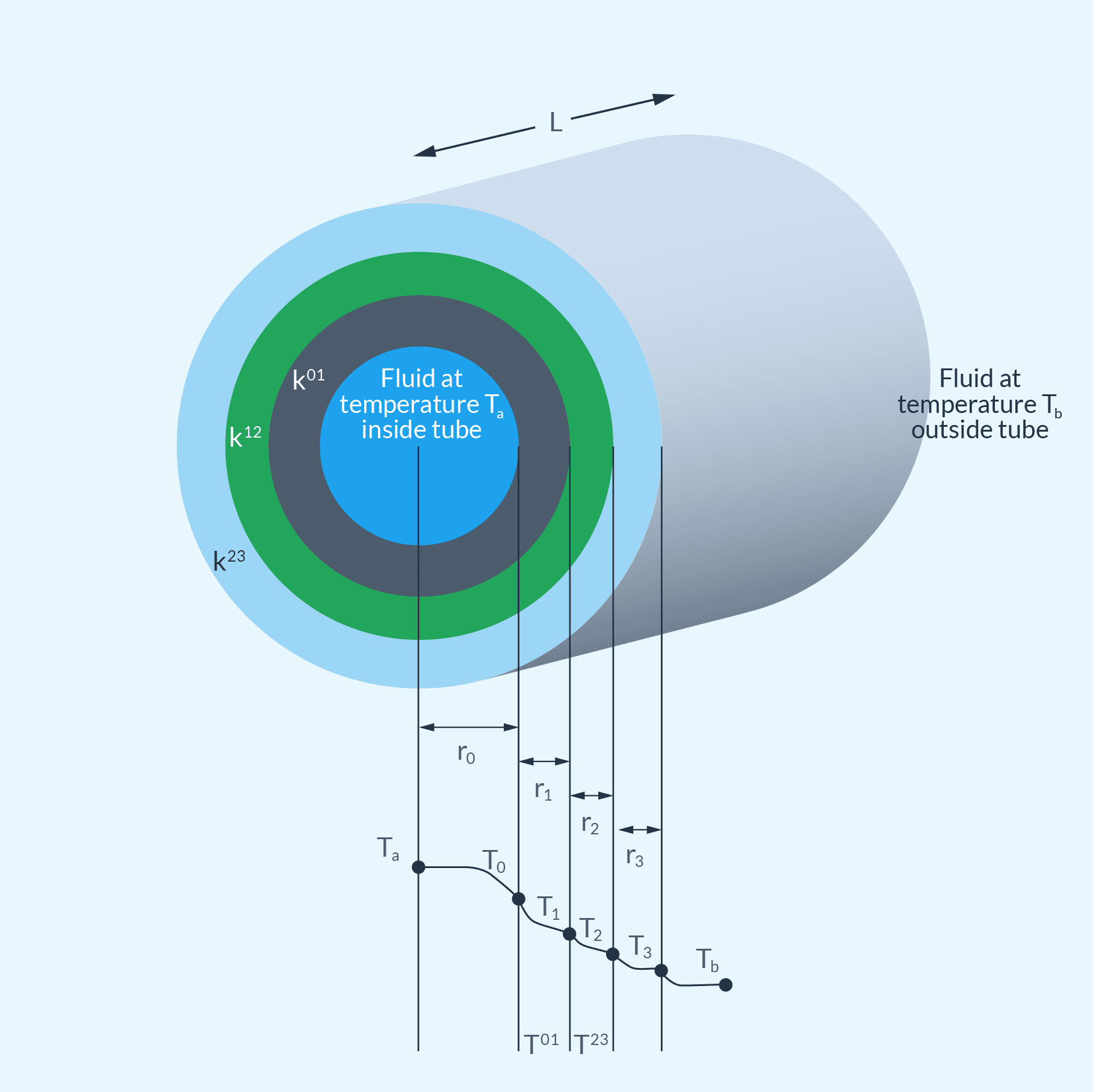
When we consider a building’s energy use, we should not only consider its energy consumption from electricity, steam and chilled water, but also the interaction between energy inside the building and the energy outside the building (in the environment) through building walls, windows and doors. And this leads to the building thermal insulation, which is an important topic in sustainable energy engineering. Thermal insulation is the set of insulating materials and construction techniques whose installation reduces heat transmission between two spaces (between the interior and exterior of a home, or between spaces within the same home). The material of these surface will determine the rate of heat transfer and can be measured by the Resistivity (R-value) of the material. Quantifying the resistivity of thermal insulation material is important as it gives people a convenient way to compare the performance of insulation material and determine which material is better.
Therefore, we will figure out the R-value of a campus building’s walls, windows or doors using the equation for heat flow. Specifically, we developed two methods to calculate the R-value and we will try to answer which method can get a more accurate R-value that is closer to the real value.This question has important practical significance as it will endow engineers with a more accurate R-value calculation method using only the temperature data inside/outside the building.