• Home
  • Mechanic
    • Item 1
    • Item 2
  • Energy
  • solar cell
  • electromagnatism

Mechanics

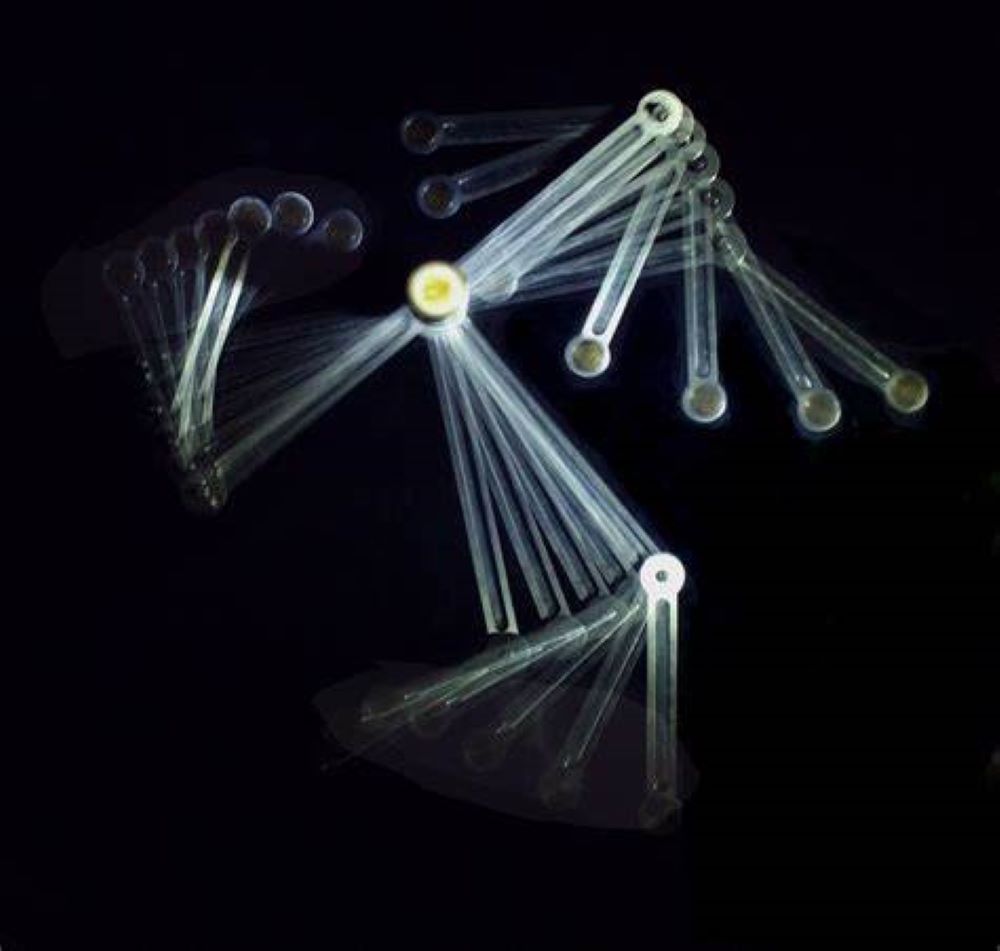
The motion of objects and the forces acting upon them, encompassing concepts such as kinematics, dynamics, statics, and the laws of motion formulated by Isaac Newton, which help explain how and why objects move or remain at rest in various environments.


Kinematics, which focuses on describing motion without considering its causes, using concepts such as displacement, velocity, and acceleration; Dynamics, which analyzes the relationship between motion and the forces causing it, incorporating Newton’s laws of motion to understand how various forces affect the movement of objects; Statics, which studies objects at rest and the forces in equilibrium, examining how structures support loads and distribute stresses; Fluid Mechanics, which deals with the behavior of liquids and gases in motion and at rest, including concepts such as pressure, buoyancy, and viscosity;
Solar cell

A solar cell is a device that converts light energy directly into electricity through the photovoltaic effect. It typically consists of semiconductor materials, such as silicon, which absorb sunlight and generate electron-hole pairs. When these charge carriers are separated and directed by an internal electric field, they produce a flow of electric current.

Renewable Energy solution

Physics of Renewable Energy include: 1.Energy Conversion——Engineers must grasp how to optimize energy conversion processes2.Materials Science——Development of advanced materials to enhance energy harvesting efficiency. 3.Electrical Engineering——Integration of renewable energy systems into the grid, including smart grid technologies that enhance energy management and efficiency

Quantum

Electromagnetism is a rich and multifaceted field of study that spans various disciplines and applications. From theoretical foundations in classical and quantum mechanics to practical applications in engineering and technology, electromagnetic principles underpin much of modern science. Continuous research and advancements in these areas will enhance our understanding and leverage the power of electromagnetism for innovative solutions in the future.

Electromagnatism

Electromagnetism is the branch of physics that explores the interactions between electric charges and magnetic fields, governing the behavior of electric and magnetic forces and their effects on matter.


Electromagnetism is a fundamental force of nature that describes how electrically charged particles interact with each other and with magnetic fields. It encompasses both electricity and magnetism as two interconnected phenomena, as illustrated by the interplay between electric charges and magnetic forces. This relationship is captured by Maxwell's equations, which mathematically describe how electric fields and magnetic fields propagate and interact. Electromagnetism is responsible for a wide range of physical phenomena, from the behavior of electrons in atoms to the propagation of electromagnetic waves, including light. It plays a crucial role in the functioning of various technologies, such as electric circuits, motors, generators, and wireless communication systems, making it essential for both theoretical and applied physics